

Hatch Gamefowl stands as the pinnacle of fighting rooster breeding, representing centuries of selective breeding excellence. These magnificent birds combine raw power with tactical intelligence, making them the most sought-after bloodlines among serious enthusiasts worldwide. Professional breeders and combat sports enthusiasts consistently choose these exceptional roosters for their proven track record at 777G.
Understanding Hatch Gamefowl genetics and breeding heritage

Hatch Gamefowl originated from the legendary breeding programs of Sanford Hatch in the early 1900s. These bloodlines have been meticulously refined through generations of selective breeding for optimal combat performance.
| Characteristic | Description | Performance Rating |
| Fighting Style | Aggressive ground combat | 9/10 |
| Endurance | Extended battle duration | 8/10 |
| Power | Devastating striking force | 9/10 |
Original bloodline development
Sanford Hatch developed these extraordinary birds through careful crossbreeding of various fighting cock strains. The breeding program focused primarily on creating roosters with exceptional cutting ability and relentless fighting spirit. Hatch Gamefowl quickly gained recognition for their ability to dominate opponents through superior technique and unwavering determination.
Modern breeding programs continue to preserve the original genetic markers that made these birds legendary. Breeders worldwide maintain strict breeding records to ensure genetic purity and performance consistency. These efforts have resulted in multiple sub-strains that retain the core characteristics while offering unique advantages.
Genetic markers and traits
Scientists have identified specific genetic sequences that contribute to the exceptional fighting abilities of these remarkable birds. These genetic markers influence muscle development, bone density, and neurological responses during combat situations. Hatch Gamefowl possess unique combinations of these traits that set them apart from other fighting rooster breeds.
Research indicates that these birds exhibit superior cardiovascular systems and enhanced reflexes compared to standard poultry breeds. Their genetic makeup includes traits for increased testosterone production and improved spatial awareness during combat. Modern genetic testing allows breeders to verify authentic bloodlines and predict performance potential accurately.
Bloodline variations and subtypes
Several distinct variations have emerged from the original breeding stock, each offering unique characteristics and fighting styles. The Sweater Hatch strain emphasizes speed and agility, while the Straight Hatch focuses on power and endurance. Hatch Gamefowl enthusiasts often specialize in specific subtypes based on their preferred fighting strategies and breeding objectives.
Each variation maintains the core genetic foundation while expressing different physical and behavioral traits through selective breeding. Professional breeders carefully document lineage records to preserve genetic diversity and prevent inbreeding depression. These detailed records ensure that future generations maintain the exceptional qualities that define authentic strains.
Physical characteristics and identification features of premium birds
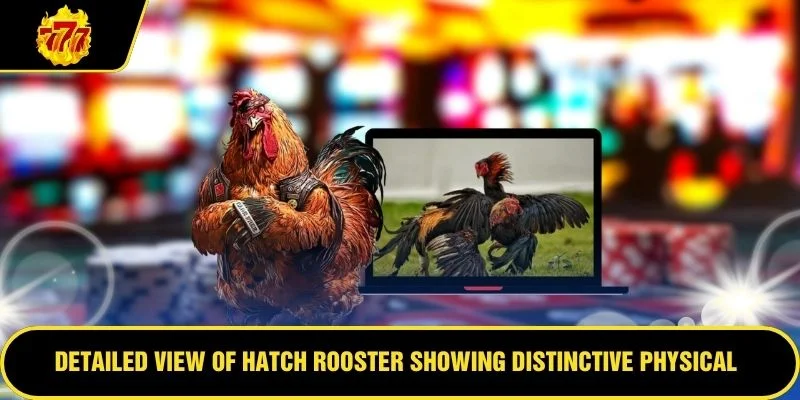
Hatch Gamefowl display distinctive physical characteristics that distinguish them from other fighting rooster breeds instantly. These birds typically exhibit muscular builds with broad chests and powerful leg structures designed for optimal combat performance.
- Head structure features a prominent skull with alert eyes that demonstrate intelligence and aggression simultaneously. The beak displays proper curvature for effective striking, while the comb remains small to prevent injury vulnerabilities. Hatch Gamefowl heads reflect their breeding heritage through distinctive bone structure and facial features.
- Body composition emphasizes muscle mass distribution across the chest, shoulders, and thigh regions for maximum power generation. The skeletal frame provides optimal balance between weight and agility, allowing for quick directional changes during combat. These birds maintain compact proportions that enhance their fighting effectiveness significantly.
- Feather patterns vary among different strains but consistently display vibrant colors and healthy luster indicating superior genetics. The plumage provides adequate protection while maintaining mobility and temperature regulation during intense physical exertion. Hatch Gamefowl feathers often feature distinctive color combinations that help identify specific bloodlines accurately.
- Leg structure showcases powerful muscles and properly positioned spurs for optimal striking angles and defensive capabilities. The feet display strong grips and balanced stance characteristics that provide stability during combat encounters. Bone density measurements consistently exceed standard poultry breeds, indicating enhanced structural integrity.
- Overall proportions create an impressive silhouette that commands respect and demonstrates the bird’s fighting potential immediately. These physical attributes result from generations of selective breeding focused on combat performance rather than aesthetic appeal. Professional evaluators can identify authentic specimens through careful examination of these distinctive characteristics.
Training methods and conditioning programs for optimal performance
Hatch Gamefowl require specialized training programs to reach their full potential in competitive environments. Professional conditioning involves systematic physical development combined with mental preparation techniques that enhance natural fighting instincts.
Physical conditioning routines
Daily exercise regimens include controlled sparring sessions that build muscle memory and improve reflexes gradually. Trainers use specialized equipment to simulate combat conditions while minimizing injury risks during preparation phases. Conditioning programs typically span several months to develop peak physical fitness and mental sharpness simultaneously.
Cardiovascular training involves structured running exercises and obstacle courses designed to enhance endurance and agility. Weight training using specially designed equipment helps build muscle mass in key areas without compromising mobility. Flexibility exercises ensure that birds maintain full range of motion while developing protective muscle groups.
Recovery protocols include massage therapy, controlled rest periods, and nutritional supplementation to optimize healing and growth. Professional trainers monitor progress through regular fitness assessments and adjust training intensity accordingly. These comprehensive programs ensure that birds reach competition-ready condition while maintaining long-term health.
Mental preparation techniques
Psychological conditioning focuses on developing confidence, aggression control, and tactical awareness through controlled exposure to various situations. Trainers use gradual desensitization methods to reduce stress responses while maintaining natural fighting instincts. Mental preparation involves creating controlled stress environments that build resilience and decision-making abilities.
Socialization training helps birds learn to assess opponents and respond appropriately to different fighting styles and personalities. Environmental adaptation exercises prepare birds for various competition venues and atmospheric conditions they might encounter. These mental conditioning programs complement physical training to create well-rounded competitors.
Behavioral modification techniques help optimize natural instincts while eliminating counterproductive habits or fears that could impact performance. Professional animal behaviorists work with trainers to develop individualized programs based on each bird’s personality and learning style. Consistent reinforcement schedules ensure that desired behaviors become permanent traits.
Nutrition and supplementation strategies
Specialized diets provide optimal protein levels, vitamin content, and mineral balance necessary for peak physical development and performance. Nutritionists formulate custom feeding programs based on training intensity, body weight, and individual metabolic requirements. High-quality ingredients ensure maximum nutrient absorption and utilization during intensive training periods.
Supplementation programs include amino acid complexes, vitamins, and minerals that support muscle development and recovery processes. Natural herbs and plant extracts provide additional health benefits while enhancing natural fighting instincts safely. Hydration protocols maintain optimal fluid balance during training sessions and competition events.
Feeding schedules coordinate with training routines to maximize energy availability and promote efficient recovery between sessions. Weight management programs help maintain optimal body composition for peak performance while preventing excessive bulk that could reduce agility. Regular monitoring ensures that nutritional programs remain effective throughout training cycles.
Competition strategies and performance optimization techniques
Successful competition requires comprehensive strategy development that considers opponent analysis, environmental factors, and tactical execution methods. Professional handlers develop detailed game plans that maximize their bird’s strengths while exploiting opponent weaknesses effectively.
- Pre-competition scouting involves studying opponent fighting styles, physical characteristics, and historical performance records extensively. This intelligence gathering helps handlers predict likely tactics and prepare appropriate counter-strategies for optimal results. Detailed analysis includes reviewing video footage and consulting with other professionals for additional insights.
- Strategic positioning focuses on controlling engagement distance, timing attacks effectively, and maintaining defensive readiness throughout matches. Handlers teach birds to recognize opportunities for decisive strikes while avoiding unnecessary risks that could compromise position. Tactical awareness development helps birds adapt to changing circumstances during competition dynamically.
- Psychological warfare techniques include pre-match intimidation displays and confidence-building exercises that establish mental dominance early. These methods help create psychological advantages that complement physical capabilities for comprehensive competitive superiority. Mental preparation includes visualization exercises and stress management techniques.
- Recovery management between rounds ensures that birds maintain peak performance throughout extended competition formats effectively. Quick assessment and treatment protocols address minor injuries while maintaining competitive readiness for subsequent matches. Strategic rest periods optimize energy conservation and mental focus restoration.
- Post-competition analysis includes detailed performance review, identifying improvement opportunities, and planning future training modifications accordingly. Documentation of successful strategies and areas needing development helps refine training programs for continued performance enhancement. This systematic approach ensures continuous improvement and competitive advantage maintenance.
Conclusion
Hatch Gamefowl represents the ultimate achievement in fighting rooster breeding, combining superior genetics with exceptional training programs. These remarkable birds continue to dominate competitive arenas worldwide through their unmatched combination of power, intelligence, and fighting spirit. Professional enthusiasts and breeders consistently choose these bloodlines for their proven track record and reliable performance at 777G.